

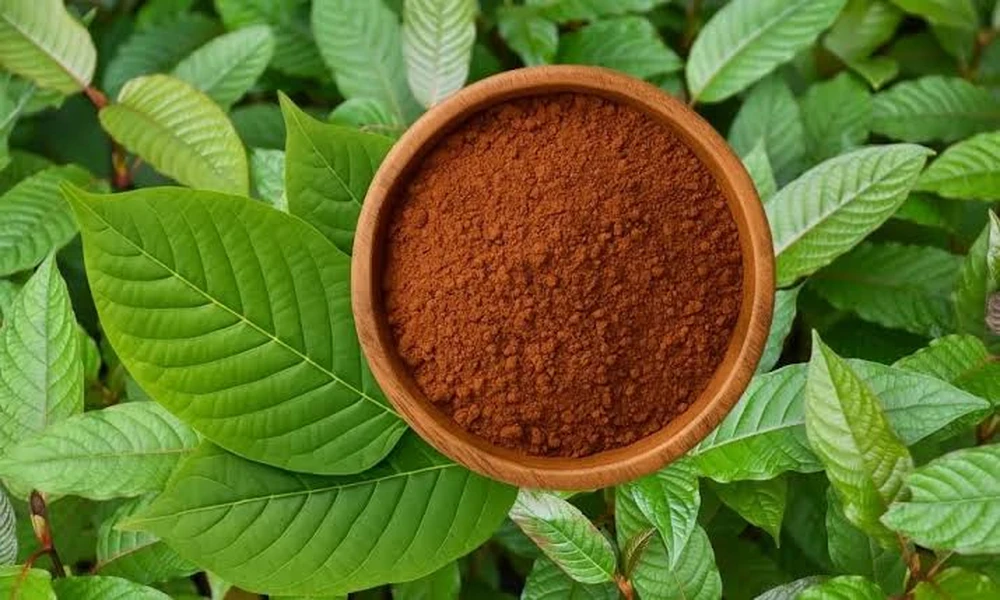
Two bags of kratom can look identical and still be very different products. One comes from a tested batch with a clean lab report. The other might carry mould, heavy metals or nothing on paper at all. Before you buy kratom, it’s worth a ten-minute check of three things: whether it’s legal where you live, what the lab report says, and how the seller does business.
Local Law Comes Before Any Shopping Cart
Kratom’s legal status isn’t uniform. It can be legal in one area and banned a short drive away, sometimes at the city or county level. Check your own local rules first.
A careful vendor helps here, because it’ll block checkout to restricted postcodes. Be wary of sellers promising kratom treats pain or anxiety. Health regulators haven’t approved it for any medical use, and responsible sellers don’t claim otherwise.
What Should A Lab Report Show?
A Certificate of Analysis (COA) is a test report from an outside lab showing what’s in a specific batch. A useful one includes:
- Alkaloid levels, the plant’s active compounds, listed as percentages.
- Heavy metals like lead and arsenic, measured in parts per million.
- Microbe results showing salmonella and E. coli as negative.
- A screen confirming no synthetic additives were mixed in.
Batch Numbers Should Match The Bag
A report means little if it’s for a different batch. Find the lot number printed on your package and make sure it matches the COA exactly. Plenty of good sellers print a QR code on the bag that links straight to that batch’s results.
Check who ran the test too. Look for ISO/IEC 17025 accreditation, an international standard showing a lab’s results are reliable. If you’re about to buy kratom with a report that just says “Pass” and has no actual numbers, move on. The same goes for a report more than a year old.
How Is The Powder Processed And Packed?
Raw leaf can carry bacteria, so good vendors pasteurise it, meaning it’s heat-treated to kill germs before packing. The bag itself should be heat-sealed foil with a batch number, production date and expiry date printed on it.
Which Policies Signal A Trustworthy Seller?
A legitimate shop runs like any other online business:
- Checkout accepts regular card payments, not only untraceable transfer apps.
- A 30-day refund policy covers batches that disappoint.
- A real street address and working phone number appear on the site.
- Tracking arrives once the order ships.
- Age verification happens before purchase.
A Small First Order Tests Everything
That lot number on the bag is your real test. Order a small amount first, then compare the printed batch against the online report with the package in your hands. If they match, and the powder is fine and grit-free, the seller has earned a bigger order.
FAQs
Is kratom legal everywhere?
No. Rules differ between regions and can change, so check your local laws before ordering.
Is a vendor’s own lab test enough?
Not really. An independent, accredited lab has no reason to bend the results, which is why its report carries more weight.
How recent should a COA be?
Ideally from the last six to twelve months, and tied to the exact batch you’re buying.
Why avoid sellers making health claims?
Kratom isn’t an approved medicine. A seller promising cures is ignoring the rules, and probably cutting other corners too.
