

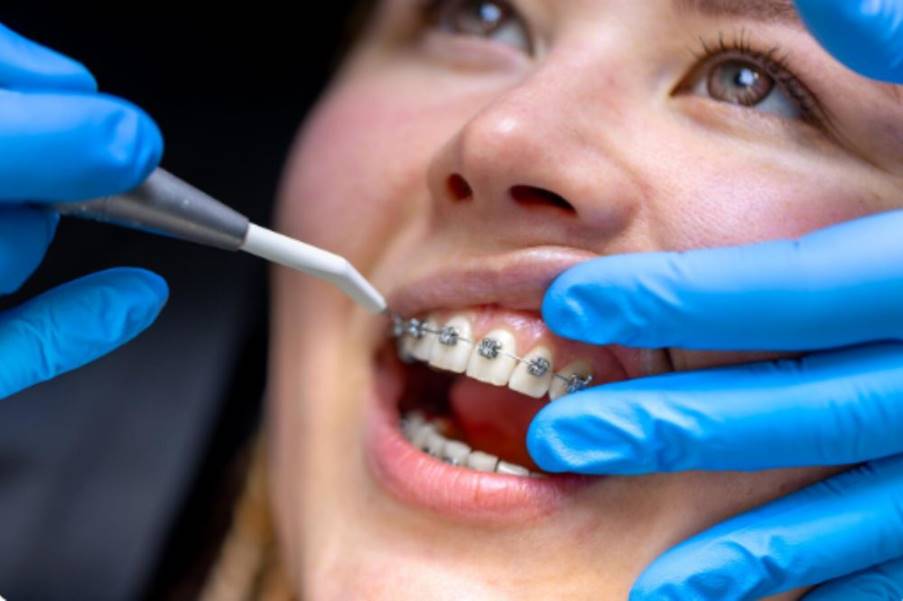
When people hear the word “orthodontics,” they usually picture teenagers with braces. Orthodontic treatment can be commenced at a much younger age than most individuals would imagine. Very early treatment, also known as interceptive orthodontics, can begin when children are still using baby teeth.
It does not concern braces at an early age, but it concerns steering growth, fixing problems early, and ensuring proper jaw and tooth development, such as making minor corrections to the course before bigger problems emerge later.
If you are seeking a South Austin orthodontist, dental companies such as Bala Smiles will be your best choice. They prioritize on accurate initial assessments as part of a healthy-smile practice. At Bala Smiles, the focus is on observing the growth of a child’s teeth and jaws, not on rushing to treat him, but on intervening only when it is beneficial.
When Should Early Orthodontic Treatment Start?
A majority of orthodontic associations prescribe an initial orthodontic examination at approximately the age of 7. That does not mean treatment starts immediately. It just means an expert takes a look.
At this age:
- Permanent teeth are beginning to emerge
- Jaw growth patterns become more visible
- Bite problems can be detected early.
Sometimes the orthodontist simply says, “Let us keep an eye on this.” Other times, a small early step can prevent bigger problems later.
Why Early Treatment Can Matter
Not every child needs early orthodontic care, but when they do, it can be incredibly helpful.
Early treatment may:
- Guide jaw growth in the right direction
- Reduce crowding before all adult teeth arrive
- Correct harmful habits like thumb sucking
- Improve speech or chewing issues
- Lower the chance of tooth trauma from protruding teeth.
In some cases, early treatment can shorten or simplify future braces. In others, it may help avoid tooth extractions or surgery later on. That is a big win for everyone involved.
How Early Orthodontic Treatment Works
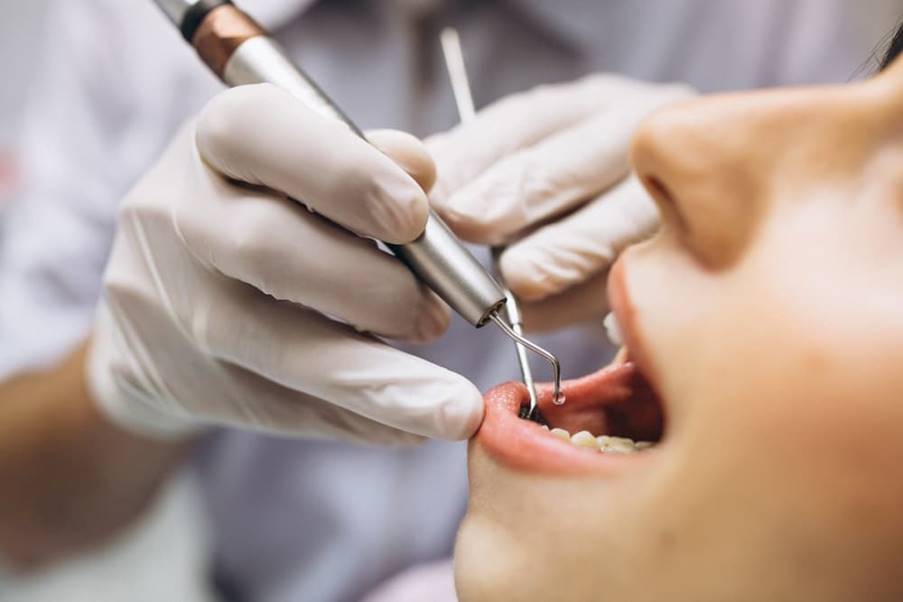
Early treatment is usually done in phases. Phase one happens while a child still has some baby teeth.
This phase might include:
- Expanders to widen the jaw
- Partial braces or removable appliances
- Habit-correcting devices
- Space maintainers.
The treatment of phase one is not always as long as expected. After it is completed, a resting period ensues during which the adult teeth naturally erupt.
Phase two, which may be necessary, takes place later, usually during the teen years, and may require full braces or aligners. This phase is less problematic since the initial issues have already been addressed.
Is Early Orthodontic Treatment Right for Every Child?
There are those children who like waiting and others who require early attention. The key is proper evaluation. An effective orthodontist only describes findings, future possibilities, and prescribes treatment when it actually makes sense.
Final Thoughts
Very early orthodontic treatment is not concerned with making childhood hurry. It has to do with timing things well. When it is done with the right motives at the right time, it can lead to healthier, more comfortable, less troublesome smiles in the future. There are occasions when a single step in the beginning might save a ton in the future.
