

1. INTRODUCTION
ChatGPT said:
Veneers are one of the most popular cosmetic dental treatments today. They help improve your smile by fixing problems such as discoloration, chipped teeth, gaps, and slight misalignment. When deciding to get veneers, most people must choose between composite veneers and porcelain veneers. Consulting a dentist near me can help you understand which option suits your smile goals and budget best. Both options can transform your smile beautifully, but they differ in cost, durability, appearance, and maintenance. Selecting the best type for your requirements can be made easier if you are aware of these variations.
2. WHAT ARE VENEERS?
Veneers are thin, custom-made shells placed on the front surface of your teeth to enhance their look. They are designed to match the colour, shape, and size of your natural teeth, giving you a seamless and natural smile. Veneers can fix several issues, including stained, cracked, or uneven teeth, and provide long-lasting, attractive results.
3. COMPOSITE VENEERS
Composite veneers are made from a tooth-coloured resin material applied directly to the teeth. They are suitable for repairing minor flaws, including tiny chips, cracks, or light discolouration.
4. APPLICATION PROCESS
The dentist meticulously shapes your teeth to achieve the desired appearance by using composite resin during the operation. Each layer is hardened with a special light, and once done, the surface is polished to achieve a natural shine. It is typically possible to do the full procedure in a single visit.
5. ADVANTAGES
- More affordable than porcelain veneers.
- It can be applied in one appointment.
- Requires little removal of natural enamel.
- It can be repaired easily if damaged.
6. DISADVANTAGES
Over time, coffee, tea, or smoking can cause composite veneers to chip or discolour, making them less resilient than porcelain veneers. They may require touch-ups or replacements sooner rather than later, and they typically last five to seven years.
7. PORCELAIN VENEERS
Porcelain veneers are thin shells made from high-quality ceramic. They are crafted in a dental lab and then bonded to your teeth. Porcelain veneers are a long-term cosmetic option because of their strength and natural appearance.
8. APPLICATION PROCESS
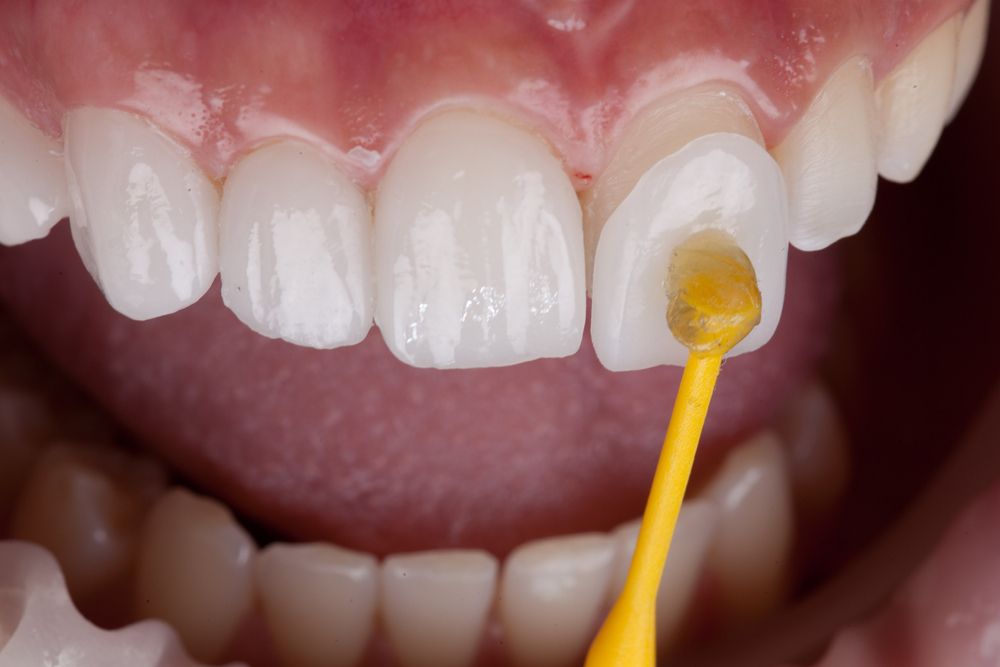
Your dentist will take an impression or digital scan of your teeth, which is used to create custom veneers. A powerful glue is used to adhere the veneers to your teeth after they have been prepared and a thin layer of enamel has been removed. The dentist ensures a perfect fit and natural finish before sealing them with a special curing light.
9. ADVANTAGES
- Very durable and can last 10 to 15 years or more.
- Resistant to stains from food and drinks.
- Mimic the natural shine and translucency of real teeth.
- Provide a highly aesthetic and lifelike smile.
10. DISADVANTAGES
The quality and lab customisation of porcelain veneers make them more expensive. At least two visits are necessary for the procedure, which removes enamel completely and cannot be reversed. If a veneer breaks, it must be replaced entirely.
11. WHICH IS BETTER?
For minor dental defects, composite veneers are an excellent choice if you want a rapid, affordable, and reversible fix. Nevertheless, if you’re looking for a long-lasting, realistic solution, porcelain veneers are a better choice.
You can choose the veneer type that will best match your smile while retaining its attractiveness for years to come by discussing your preferences and financial situation with a dentist.
