

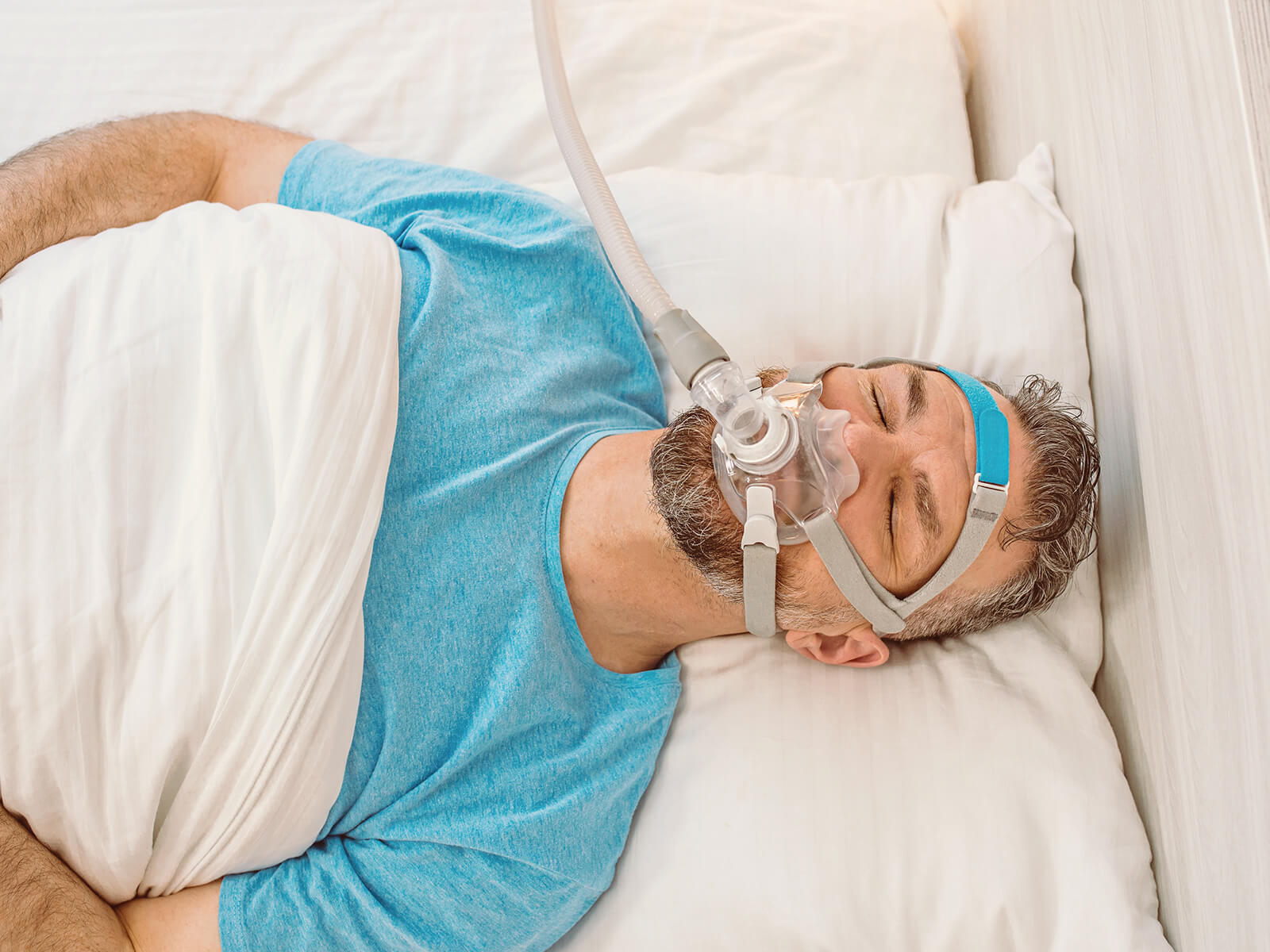
Sleep apnea is a condition where breathing stops and starts while you sleep. Many people who experience these symptoms may be dealing with Sleep Apnea, which can significantly affect their rest and overall health. This can happen because your airway is blocked (obstructive sleep apnea) or because your brain doesn’t send proper signals to control breathing (central sleep apnea). When breathing stops, your brain briefly wakes you so you can breathe again. While this keeps you alive, it disrupts sleep and can cause serious health problems over time.
Types of Sleep Apnea
- Obstructive Sleep Apnea (OSA): Throat muscles relax during sleep, blocking airflow.
- Central Sleep Apnea (CSA): The brain fails to send signals to breathing muscles.
- Mixed or Complex Sleep Apnea: A combination of OSA and CSA.
Sleep apnea is common, affecting nearly 1 billion people worldwide. Central sleep apnea is less common but still possible.
Symptoms of Sleep Apnea
Sleep apnea can affect you at night and during the day. Common signs include:
- Loud snoring
- Pauses in breathing while asleep
- Waking up short of breath or choking
- Feeling very tired during the day
- Morning headaches or night sweats
- Mood changes like irritability, depression, or anxiety
Children may show different signs, and untreated sleep apnea can affect learning and behavior.
Causes and Risk Factors
Sleep apnea can be caused by blocked airways or problems with the brain’s control of breathing. Risk factors include:
- Family history of sleep apnea
- Heart problems or high blood pressure
- Large tonsils
- Obesity
- Age and male gender (more common in men under 50)
Even people who are not overweight can develop sleep apnea.
Complications
If untreated, sleep apnea can lead to:
- Excessive daytime sleepiness and “microsleeps”
- Heart rhythm problems
- High blood pressure
- Heart failure
- Sudden cardiac death
Diagnosis
A doctor may use your medical history, a sleep study (polysomnogram), or home sleep testing to confirm sleep apnea. The seriousness of sleep apnea is determined with the apnea-hypopnea index (AHI):
- Mild: 5–14 events/hour
- Moderate: 15–29 events/hour
- Severe: 30 or more events/hour
Treatment Options
Treatment depends on type and severity and may include:
- Continuous positive airway pressure (CPAP) machines
- Oral devices to keep the airway open
- Changing sleep positions
- Surgery on the jaw, nose, or throat
- Managing underlying conditions like obesity or heart problems
Living With Sleep Apnea
You can manage sleep apnea by following your treatment plan, maintaining a healthy lifestyle, and attending regular follow-ups. Avoid smoking and alcohol, maintain a healthy weight, and practice good sleep habits.
When to Seek Help
Go to the emergency room if you experience chest pain, sudden weakness, confusion, or severe breathing difficulty.
With proper care, sleep apnea can be managed effectively, helping you sleep better, stay alert during the day, and reduce long-term health risks.
