

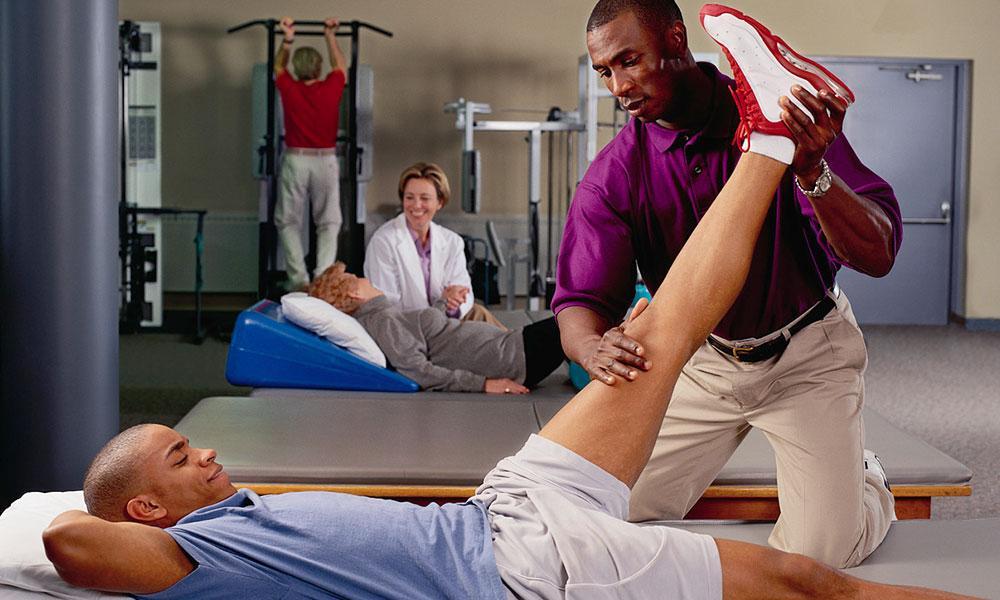
Recovery from a spinal condition is rarely an isolated experience. While the patient is the one undergoing treatment, the path toward healing often extends well beyond the clinic or outpatient center. Dr. Larry Davidson, a board-certified neurosurgeon, with fellowship training in complex spinal surgery, has seen how the presence of a steady, reliable support system influences recovery from the earliest stages of preparation through the final phases of rehabilitation. Family involvement provides emotional balance, strengthens routine, and helps patients manage both physical demands and mental stress.
Spine conditions often lead to feelings of fear, discomfort and uncertainty, especially when they begin to interfere with daily activities. Loved ones ease this burden by offering reassurance, organizing practical support, and making sure that patients feel grounded during their recovery. When the home environment is stable and encouraging, patients often move through the healing process with greater clarity, confidence and comfort.
Emotional Stability Begins at Home
Spine pain affects more than physical comfort. It often shapes mood, sleep patterns and the patient’s overall mindset. Family members help soften the emotional strain by offering understanding and encouragement. Their presence reminds patients that they are not navigating the experience alone. A calm environment reduces stress responses that could otherwise heighten muscle tension or increase discomfort.
Patients with consistent emotional support often respond more positively to mobility exercises and recovery goals. They show greater patience with their bodies and adapt more steadily to postoperative changes. This emotional stability forms the foundation for a smoother and more effective healing process.
Preparing for Surgery with Family Assistance
Before outpatient spine surgery, patients must prepare both mentally and physically. Family involvement makes this preparation more manageable. Loved ones help create a safe home environment by organizing sleeping arrangements, preparing meals, reducing household obstacles, and arranging transportation to and from the surgical center.
They also help patients review instructions, understand restrictions, and maintain a sense of predictability in the days leading up to the procedure. This collaboration helps reduce anxiety and reinforces the feeling that support is available throughout the process. Family presence also contributes to mental readiness. Knowing that someone will be there to assist after surgery provides comfort, which in turn influences emotional stability and sets the tone for a smoother recovery.
Support During the Surgical Day
Outpatient surgery moves quickly. Patients arrive, prepare for their procedure, transition through recovery, and return home within hours. Having a family member by their side provides emotional support and stability during this rapid sequence of events.
Loved ones help make sure that discharge instructions are understood and provide reassurance as the patient transitions from the recovery area to the car. These moments, small in appearance, play a crucial role in helping patients stay calm and confident as they begin their recovery at home.
Family Support Helps Regulate Stress
Stress can significantly influence the physical experience of pain. Elevated stress levels often lead to increased muscle tension, disrupted sleep, and heightened normal postoperative sensations. Loved ones help patients manage this stress by offering consistent reassurance, creating quiet environments, and supporting steady daily routines.
Dr. Larry Davidson says, “Chronic pain and stress can have a profound impact on both mental health and physical activity levels. When someone is living with constant pain, it often leads to depression, reduced motivation and decreased activity, all of which can further compromise spine health.” His insight highlights the importance of emotional balance in the physical healing process.
Encouraging Movement and Mobility
Early mobility is key to healthy recovery after outpatient spine surgery. Patients are encouraged to walk, stretch lightly, and avoid long periods of inactivity. Loved ones play a central role in helping patients complete these tasks safely and consistently.
Simple support reduces fear and increases confidence. Patients often feel more secure taking early steps or practicing new movements when someone is nearby to help. Family members also help reduce the risk of falls or unsafe movement patterns by assisting with balance, clearing pathways in the home, and helping with daily tasks that require bending or lifting.
Supporting Healthy Routines
Recovery isn’t just about doing exercises. It takes a consistent routine that includes staying hydrated, eating well, getting enough rest, maintaining good posture and taking medications on schedule. Loved ones play a key role as well, offering reminders, preparing meals that support healing, and helping to make sure rest and routines are kept on track.
This structured support helps patients stay on track and reduces the mental workload associated with managing recovery independently. When routines are steady, the body responds with greater consistency. Family support also helps limit activities that may hinder recovery, such as strenuous chores or prolonged sitting. This shared responsibility helps keep the patient safe and allows them to focus on healing.
Helping Patients Interpret Change
Recovery from spine surgery brings day-to-day fluctuations. Some days feel easier, while others bring increased soreness or stiffness. Family members help patients navigate these shifts with reassurance and perspective. Loved ones who understand the expected milestones can remind patients about which sensations are normal and when to seek guidance.
This emotional grounding helps reduce unnecessary worry. Patients who feel supported are less likely to misinterpret normal healing sensations as signs of complications, allowing them to remain confident as they progress through their treatment.
Long-Term Support and Encouragement
As patients transition into long-term recovery, family involvement continues to influence mobility, posture habits and emotional well-being. Loved ones can help reinforce home exercise routines, encourage activities that maintain spinal health, and support stress-reduction practices that promote long-term comfort.
Many individuals rely on their families to help them maintain consistency with stretching, strengthening, and regular physical activity. When loved ones participate in these routines, such as walking together or encouraging healthy posture, the patient is more likely to maintain the habits that protect their spine.
A Shared Journey Toward Healing
Recovery from a spinal condition is strengthened when patients feel supported, encouraged and understood. Family involvement reduces stress, reinforces medical guidance, and supports mobility habits that shape the healing process. This shared approach helps patients feel calm, safe and motivated, as they navigate the physical and emotional demands of recovery. With steady reassurance, practical support and a compassionate presence at home, families play an essential role in helping patients regain comfort, confidence and long-term spinal health.
